
Best Hair Colors for Warm Undertones: Preview Before Dyeing
Warm undertones glow with honey blonde, caramel, golden brown, copper, auburn, and warm chocolate. Preview each shade with AI before dyeing.
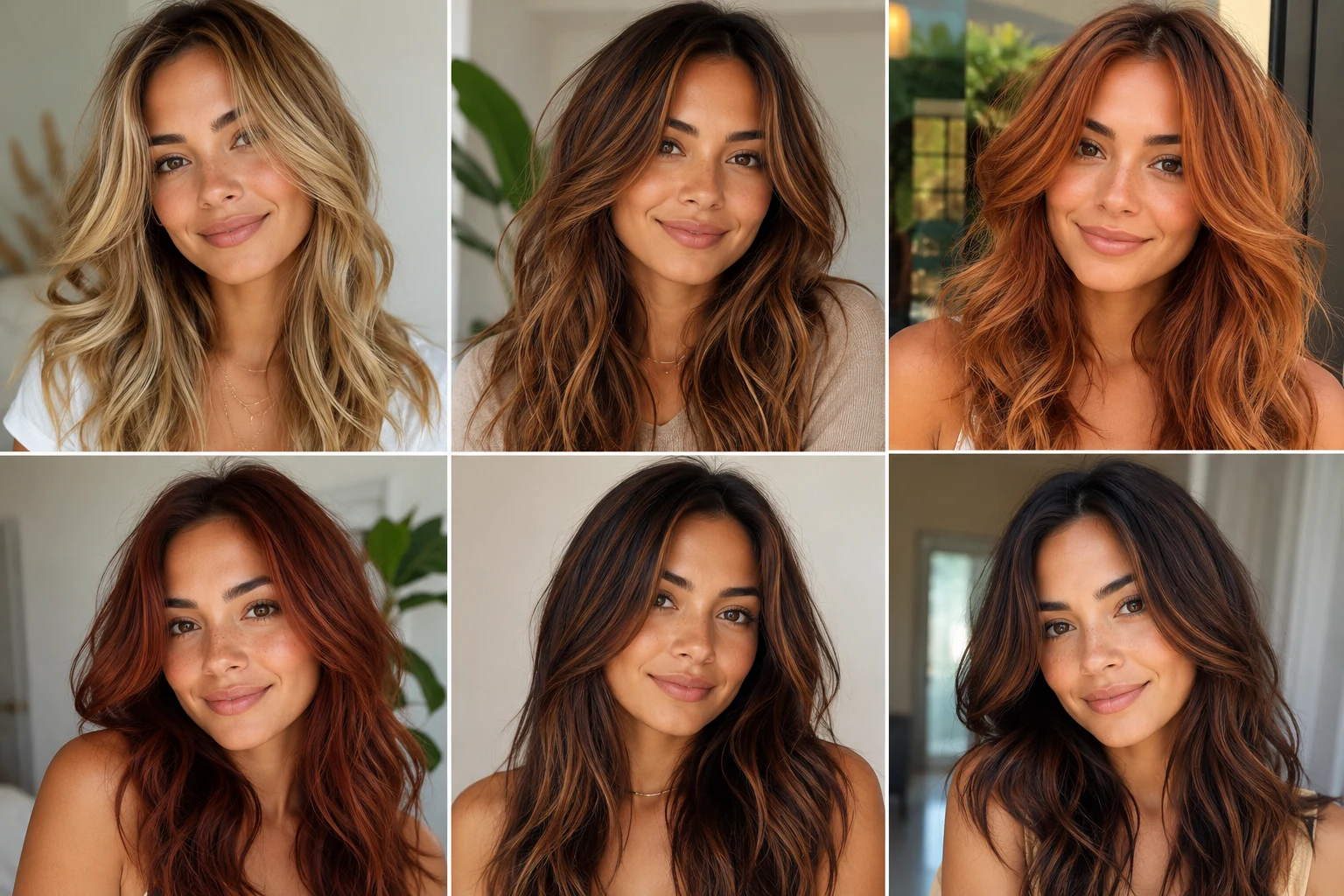
The best hair colors for warm undertones are honey blonde, caramel, golden brown, copper, auburn, warm chocolate, chestnut, and soft mahogany. Warm skin usually has golden, peachy, yellow, or olive undertones, so it looks healthier when the hair color has warmth too. The safest way to choose is to preview two warm shades and one cool shade with an AI hair color changer before you dye.
Last updated: July 2, 2026 - about 8 min read
Warm undertones are beautiful, but they can be easy to overcorrect. Too much ash can make the skin look tired or gray. Too much orange can make the color look brassy. The goal is not "warm at any cost." The goal is a shade that echoes your skin without fighting it.
This guide gives you the shade map, maintenance notes, and preview workflow.
Warm undertones usually glow when the hair color has gold, copper, caramel, chestnut, or red-brown warmth.
How to tell if you have warm undertones
You probably have warm undertones if at least two of these are true:
- Your wrist veins look more green than blue in daylight.
- Gold jewelry looks more natural on your skin than silver.
- Your skin tans more easily than it burns.
- Cream, camel, olive, rust, coral, and warm brown flatter you.
- Icy gray, blue-based pink, or stark white can make you look washed out.
Undertone is not the same as skin depth. Fair, medium, tan, olive, brown, and deep skin can all have warm undertones. Surface color tells you how light or dark a shade can go. Undertone tells you which color direction flatters.
Best hair colors for warm undertones
Use this map as a starting point:
| Shade family | Best colors | Why it works | Maintenance level |
|---|---|---|---|
| Warm blonde | Honey blonde, golden blonde, beige blonde | Adds brightness without looking icy | Medium to high |
| Warm brunette | Caramel brown, golden brown, chestnut, warm chocolate | Mirrors golden and olive undertones | Low to medium |
| Warm red | Copper, auburn, cinnamon, mahogany | Makes warm skin look vivid and healthy | Medium to high |
| Warm highlights | Caramel balayage, honey face frame, soft bronze | Adds light around the face without full color commitment | Medium |
| Deep warm shades | Espresso with warmth, dark chocolate, rich mahogany | Keeps depth while avoiding flat black | Low to medium |
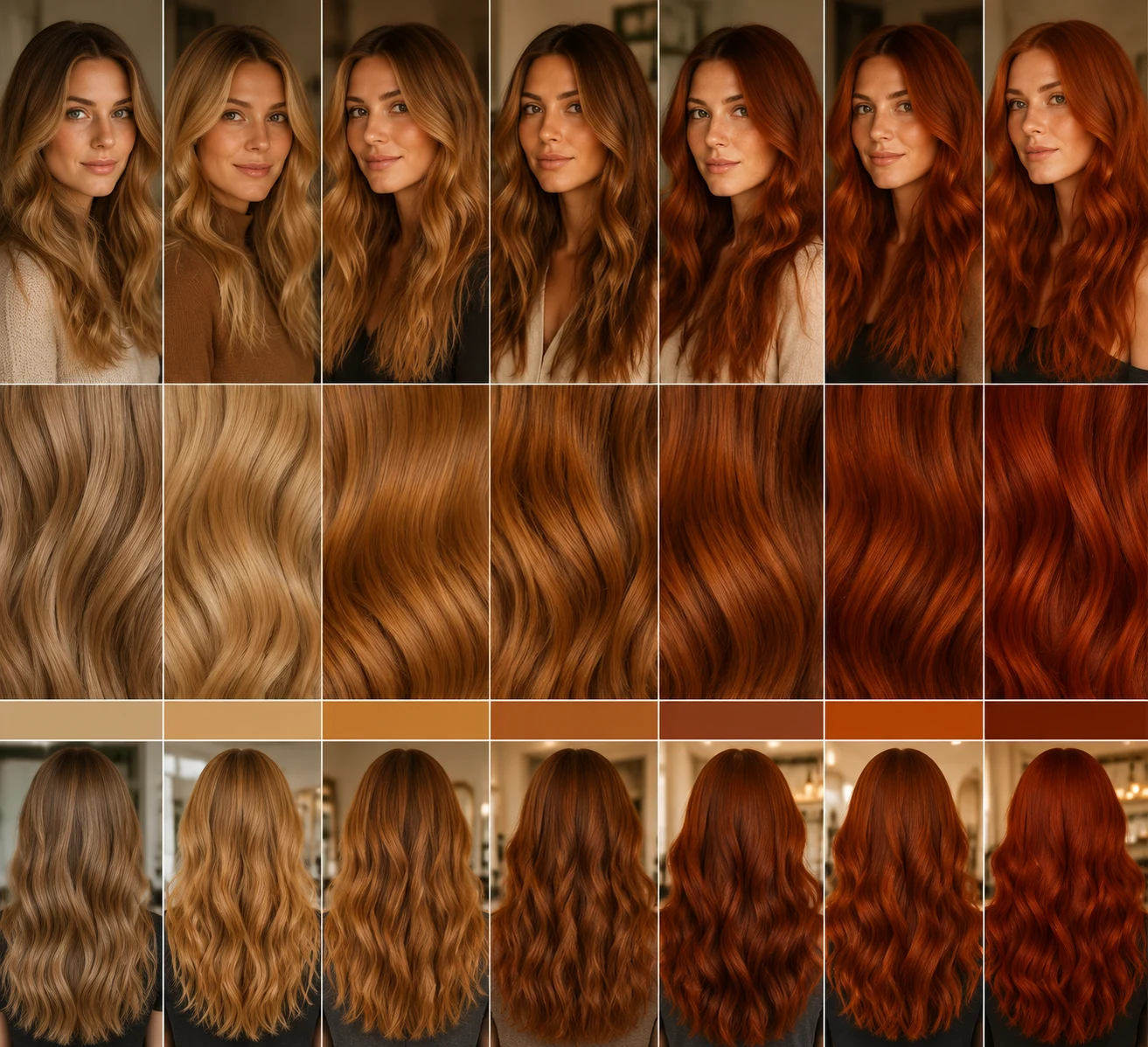
Start with the shade family that matches your desired contrast, then test a realistic preview against your own face.
Warm blonde shades
Warm blondes work when they look golden, creamy, or honeyed rather than icy.
Best options:
- Honey blonde.
- Golden blonde.
- Beige blonde.
- Buttery blonde.
- Caramel blonde.
Good for:
- Fair warm skin that wants brightness.
- Medium warm skin that wants a sunlit look.
- Warm neutral skin that can wear both beige and gold.
Be careful with:
- Icy platinum.
- Silver blonde.
- Blue-toned ash blonde.
Those cool blondes can look editorial, but they often make warm undertones look dull unless the whole style is intentionally high contrast.
Warm brunette shades
Warm brunettes are the easiest, most forgiving category. They flatter warm skin without requiring the upkeep of blonde or vivid red.
Best options:
- Caramel brown.
- Golden brown.
- Chestnut.
- Warm chocolate.
- Mocha with golden reflects.
Good for:
- Anyone who wants a natural result.
- First-time color changes.
- People who want less root contrast.
- Warm olive skin that looks flat next to ash brown.
If you are unsure, start with caramel brown or warm chocolate in the preview. They are flattering on a wide range of warm undertones.
Copper, auburn, and warm reds
Warm undertones often handle red beautifully because copper and auburn repeat the skin's natural warmth.
Best options:
- Soft copper.
- Cinnamon copper.
- Auburn.
- Copper brown.
- Mahogany.
Good for:
- Warm fair skin that wants a lively change.
- Warm medium skin that suits bronze and rust clothing.
- Warm deep skin that wants red depth without neon brightness.
Maintenance note: reds fade faster than browns. If you choose copper or auburn, plan for color-safe shampoo, less hot water, and more frequent refreshes.
Shades warm undertones should approach carefully
These shades can work, but they need testing:
| Shade | Why it can be tricky | Safer alternative |
|---|---|---|
| Icy platinum | Can make golden skin look gray or sallow | Creamy beige blonde |
| Flat ash brown | Can dull warm olive or peachy skin | Mushroom brown with beige warmth |
| Blue-black | Can look harsh against golden skin | Deep warm espresso |
| Orange copper | Can turn brassy if too bright | Soft copper brown |
| Pale cool pink | Can fight yellow or olive undertones | Peachy rose gold |
The preview is useful here because some people with warm undertones also have high contrast features and can handle cooler shades. Do not guess from a chart alone.
Preview workflow: test warm, cool, and neutral
Use this three-shot test in the AI hair color changer:
- Upload a clear front-facing photo in natural light.
- Preview one likely warm shade, such as caramel brown.
- Preview one bolder warm shade, such as copper or honey blonde.
- Preview one cool control shade, such as ash brown.
- Compare skin brightness, eye contrast, redness, and whether the color looks natural at the hairline.
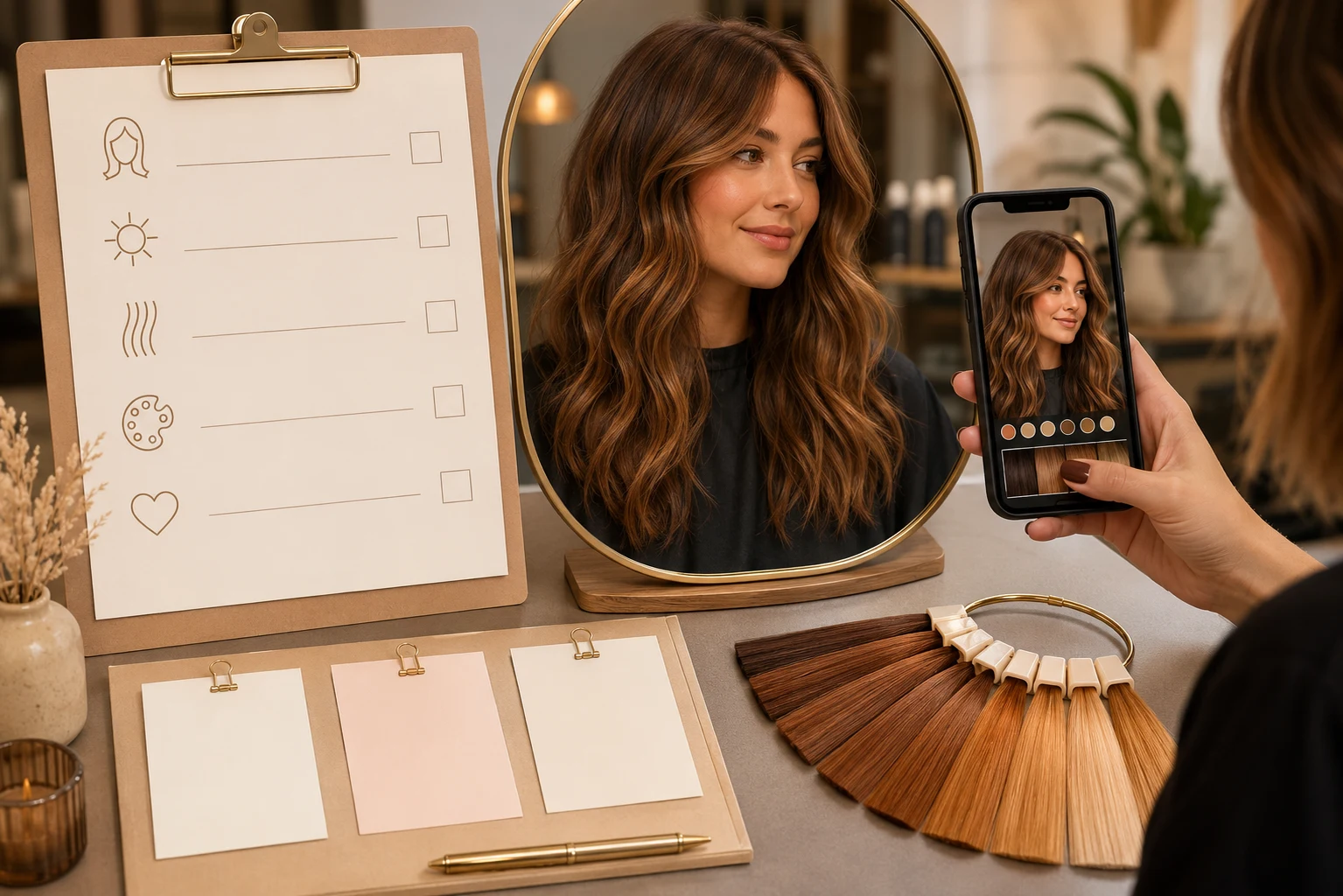
A side-by-side preview makes the undertone match easier to see than a box dye swatch.
What to look for in the preview
The right warm shade usually:
- Makes your skin look clearer, not yellower.
- Brings out eye color.
- Makes cheeks and lips look more alive.
- Looks believable at the hairline.
- Does not make redness or shadows more obvious.
The wrong shade usually:
- Makes the skin look gray, flat, or tired.
- Creates a harsh line between hair and face.
- Makes the hair color look separate from the person.
- Looks good in theory but not against your actual photo.
Save the best two previews and bring them to your stylist. A stylist can translate the look into level, tone, formula, and maintenance plan.
Warm undertone shade recommendations by goal
| Goal | Try first | Why |
|---|---|---|
| Natural but brighter | Caramel brown | Adds warmth without a dramatic commitment |
| Blonde but not icy | Honey blonde | Keeps blonde soft and golden |
| Rich brunette | Warm chocolate | Low-maintenance and flattering |
| Noticeable change | Copper brown | Strong color, still wearable |
| Red without neon | Auburn | Warm, deep, and easier to style than bright copper |
| Face-framing lift | Caramel highlights | Brightens around the face without full bleach |
| Deep and glossy | Mahogany | Warm depth for dark hair |
Common mistakes
Going too ashy
Ash tones cancel warmth. That is useful if your hair is too orange, but it can also drain warm skin. If you want a cooler brunette, try beige or neutral brown before a flat ash shade.
Choosing the shade from indoor lighting
Bathroom light and salon light can distort warmth. Preview and compare in daylight if you can.
Ignoring your natural level
If your natural hair is very dark, jumping to honey blonde may require bleaching and maintenance. A caramel balayage or warm chocolate gloss may give the same flattering warmth with less upkeep.
Forgetting fade
Warm shades fade too. Copper can fade orange, brunette can fade brassy, and blonde can fade yellow. Choose a color you like both fresh and after a few washes.
If the preview looks brassy
Brassy does not always mean the shade is wrong. Sometimes the photo is too warm, the prompt asks for too much orange, or the chosen color is lighter than your current hair can support.
Try this before you reject the whole color family:
- Compare the preview in a daylight photo, not a bathroom-light selfie.
- Change "copper" to "copper brown" or "soft auburn" if the result is too orange.
- Change "honey blonde" to "beige honey blonde" if the result is too yellow.
- Keep the same shade but ask for a deeper level if the preview looks flat against your skin.
- Test a neutral brown control so you can see whether the issue is warmth or brightness.
For salon planning, save both the flattering version and the too-brassy version. The difference tells a colorist whether you need a warmer formula, a neutral gloss, a shadow root, or a different lift level.
Frequently asked questions
What hair colors look best on warm undertones?
Warm undertones usually look best with honey blonde, caramel, golden brown, chestnut, warm chocolate, copper, auburn, cinnamon, and mahogany. These shades echo golden, peachy, yellow, or olive undertones.
Can warm undertones wear ash brown?
Sometimes, but flat ash brown can make warm skin look dull. If you want a cooler brunette, try a beige brown, mushroom brown with softness, or a neutral brown first, then compare it with a warmer preview.
Is copper hair good for warm undertones?
Yes. Copper often looks vivid and natural on warm undertones because it repeats the skin's warmth. If bright copper feels too strong, try copper brown or auburn.
Should I choose hair color based on skin tone or undertone?
Use both. Skin depth helps decide how light or dark to go. Undertone helps decide whether the shade should be warm, cool, or neutral. A warm undertone usually needs some gold, caramel, copper, or red-brown warmth.
How can I preview warm hair colors before dyeing?
Upload a clear photo to the AI hair color changer, test one natural warm shade, one bolder warm shade, and one cool control shade. Compare which one makes your skin look brightest and most balanced.
Related guides
- Try the AI hair color changer
- What hair color suits my skin tone?
- Change hair color in a photo
- Copper vs red hair
- What hairstyle suits my face?
Preview before you book
A warm undertone does not mean you have only one shade. It gives you a direction. Open the AI hair color changer, test caramel, honey, copper, and auburn on your own photo, then choose the shade that makes your skin look brightest in daylight.