
Copper vs Ginger Hair: Which Is More Golden or Red?
Copper vs ginger hair, explained: compare their warmth, depth, upkeep, and the details to test on your own photo before a color appointment.
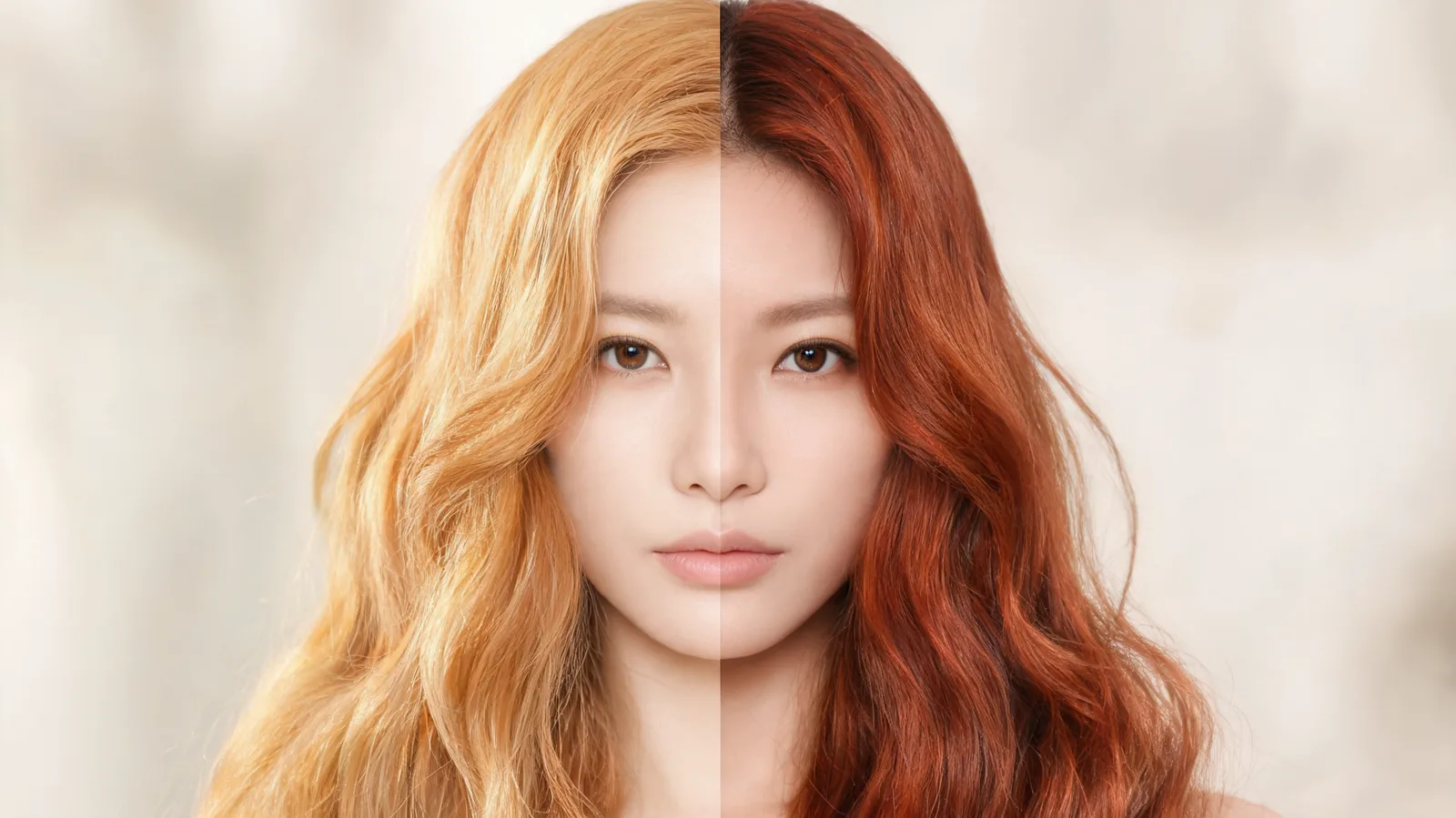
Ginger hair is usually the lighter, golden side of warm red; copper is the richer, more orange-red side. If you want a soft, sunlit change, start with ginger. If you want more depth and visible warmth, try copper. The useful test is not the label: preview both on your own face with an AI hairstyle changer, then compare your skin, brows, and natural contrast in the same light.
Last updated: October 2, 2026 · ~7 min read
Hair-color names are loose. One salon's ginger can be another salon's strawberry copper, especially when highlights, glosses, and your starting color enter the picture. This guide gives you a practical way to choose a direction before an appointment—not a promise of an identical result on every head of hair.
Copper vs ginger hair: the fast answer
Think of ginger as light, golden warmth and copper as a more concentrated orange-red warmth. The boundary is not a paint-chip rule. The same formula can look different on dark hair, bleached hair, curls, or hair photographed in direct sun.
| If you are deciding between | Ginger | Copper |
|---|---|---|
| Overall impression | Soft, golden, and natural-looking | Brighter, richer, and more statement-making |
| Depth | Usually light to medium | Usually medium to deep |
| Visible red | Subtle to moderate | More obvious orange-red |
| Good starting direction | You want warmth without a dramatic shift | You want the warmth to show from a distance |
| Bring to a consultation | Photos in daylight and shade | Photos that show both root depth and ends |
A color name is only a starting point. Tell a stylist whether you mean “lighter and golden” or “deeper and redder,” then show two references in ordinary light.
How to decide in three photo checks
Make the comparison fair before you decide. Use one unfiltered selfie, one angle, and two color previews. A different pose or a warm phone filter can make either shade appear more flattering than it really is.
- Check the face frame. Try a light ginger preview and a copper preview with the hair near your cheeks. Does one shade make under-eye shadows, redness, or brows look more pronounced? That is useful information, not a flaw to “fix.”
- Check the contrast. If your brows and eyes are naturally dark, a very light ginger can create a softer, lower-contrast look. Copper often keeps more depth. If your overall coloring is light, a gentle ginger can feel more connected than a strong copper.
- Check it in neutral light. Compare screenshots next to a window or under a plain indoor light. Do not make the final call from a golden-hour photo, an auto-enhanced camera screen, or a brightly colored wall.
Use the ginger hair color changer for the light golden direction, then test the copper hair color changer from the same photo. A tool can help you decide which family you want; it cannot predict your exact salon formula, lightening process, or fade pattern.
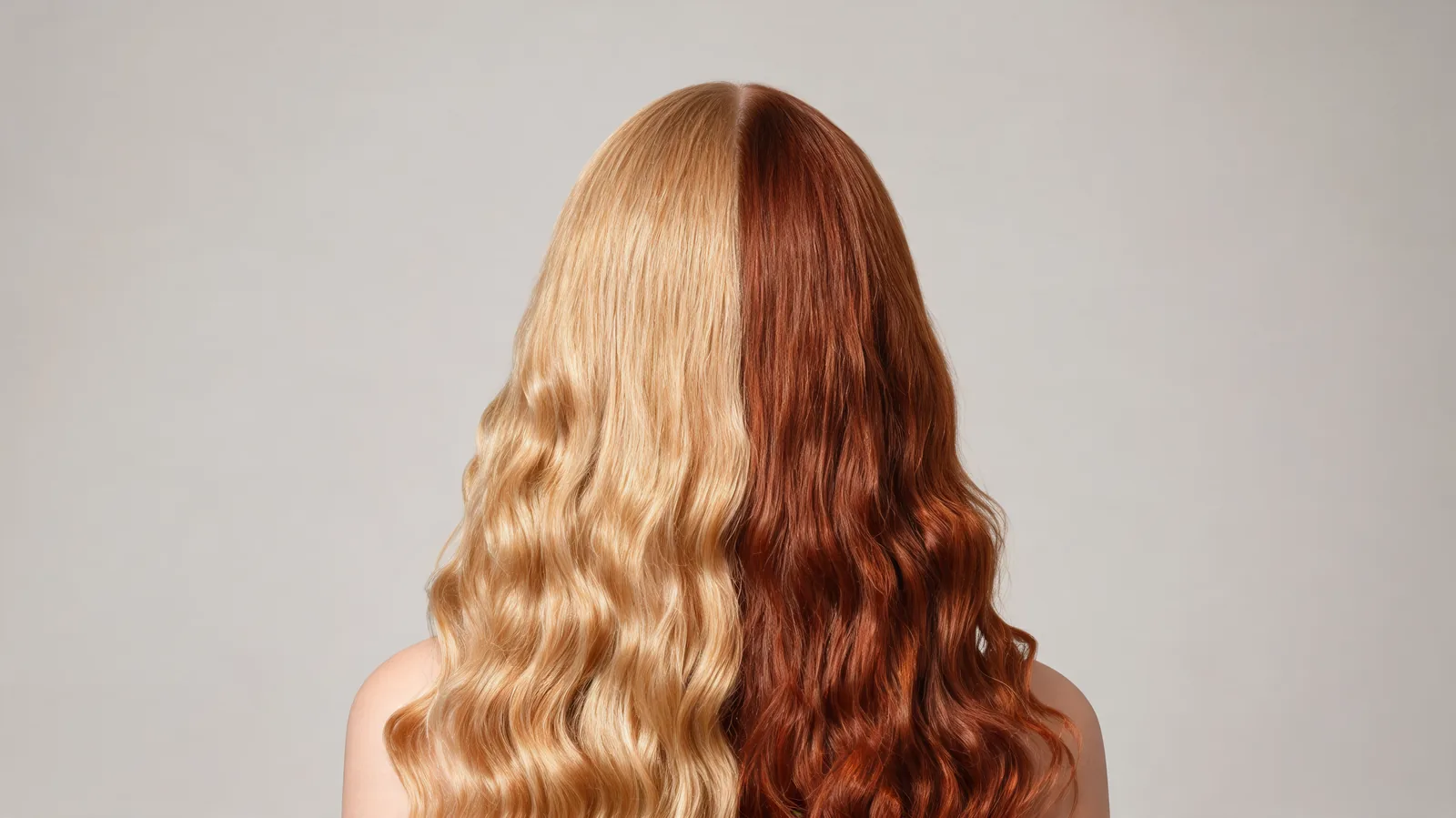
Illustrative color-direction comparison: a lighter golden ginger on the left and a deeper copper on the right.
Match the shade to the change you actually want
The clearest decision often comes from your goal rather than your undertone label. Ask what you want someone to notice first.
| Your goal | Start by previewing | Ask your colorist |
|---|---|---|
| “I want warmth, but I still want it to look quiet.” | Light ginger or strawberry-toned warmth | Can the root stay close to my natural depth? |
| “I want people to notice the new color.” | Classic copper | How saturated can we go without too much lightening? |
| “I want a warm color that does not wash me out.” | Medium ginger, then medium copper | Which depth works with my brows and natural base? |
| “I want less maintenance than a vivid fashion color.” | Ginger or a copper-brown blend | What will the grow-out and refresh schedule look like? |
Do not treat “warm skin equals warm hair” as a rule you must obey. It is a place to begin. A person with cool or rosy skin may prefer a softened copper; someone with warm skin may love a richer red. The better question is whether the chosen shade leaves enough natural-looking contrast around your eyes and brows.
The AI hair color changer is useful for narrowing the family before you start saving inspiration. Keep your own photo and lighting consistent, and make no more than a few focused comparisons. Ten tiny variations are harder to judge than two clear directions.
What to bring to a color consultation
Bring a short brief, not a folder of nearly identical screenshots. It makes a better conversation and lowers the odds that “ginger” turns into a color you did not mean.
- One photo showing the lighter, golden end of your preference.
- One photo showing the deeper, redder end you would still accept.
- A current photo of your hair in daylight, with no beauty filter.
- Your color history: recent dye, bleach, henna, or smoothing treatments.
- A sentence about upkeep: “I can refresh often” or “I need a softer grow-out.”
You can also say, “I like the brightness of ginger, but I do not want blonde,” or “I like copper, but I do not want it to look burgundy.” Those boundaries are much more actionable than a single shade name.
If you will use an at-home color product, read its directions and safety information carefully. The U.S. Food and Drug Administration's hair dye safety guidance is a useful reminder to follow the product instructions, including any recommended allergy test. A photo preview is a planning aid, not a substitute for a strand test or professional assessment.
Upkeep: do not choose the shade without choosing the routine
The practical difference between ginger and copper is often intensity. A vivid copper can look dramatically different as it softens, while a lower-contrast ginger may feel more forgiving as it changes. Neither is automatically easy or difficult; your current base, formula, porosity, wash frequency, heat styling, and sun exposure all matter.
Before committing, ask these questions:
- Will the result need lightening first, or can it be achieved with a gloss or deposit-only service?
- Which part will fade first: the ends, the face frame, or the overall warmth?
- Can I keep a deeper root for a softer grow-out?
- What is the realistic refresh plan for my hair and budget?
If the answers point to more maintenance than you want, ask for a copper-brown, a rooted ginger, or warm highlights rather than a full saturated color. The best version is the one you can live with between appointments.
Frequently asked questions
Is ginger hair the same as copper hair?
No. Ginger usually reads lighter and more golden, while copper is typically richer, more orange-red, and more saturated. The names overlap in salon language, so a reference photo is more useful than the name alone.
Which is warmer, ginger or copper hair?
Both are warm shades, but they create different kinds of warmth. Ginger is often light and golden, while copper shows a stronger orange-red warmth and more contrast.
Does copper hair fade faster than ginger?
Fade depends on the formula, your starting hair, washing routine, heat styling, and sun exposure. A vivid copper can show fading more quickly because its orange-red intensity is obvious; ask your colorist what upkeep the chosen formula needs.
Can I preview ginger and copper hair before dyeing?
Yes. Use the same clear selfie to make two previews, then compare the shades in normal daylight. A preview helps you choose a direction, while a colorist can assess your hair history and the process needed to reach it.
Related guides
Try the free AI hairstyle changer →
- Ginger hair color changer — preview a lighter, golden warm direction.
- Copper hair color changer — test a richer orange-red direction.
- Copper vs red hair — see where copper sits in the wider red family.
- How to change hair color in a photo — make a clear comparison from your own selfie.
Ready to compare the two directions?
Preview ginger and copper on the same photo with the AIChangeHair AI hair color changer, then take your clearest two references to a colorist.