
Mullet Filter: Try a Modern Mullet Before Cutting
Use a mullet filter to preview the front, sides, crown, and nape shape of a modern mullet on your own photo before a haircut.
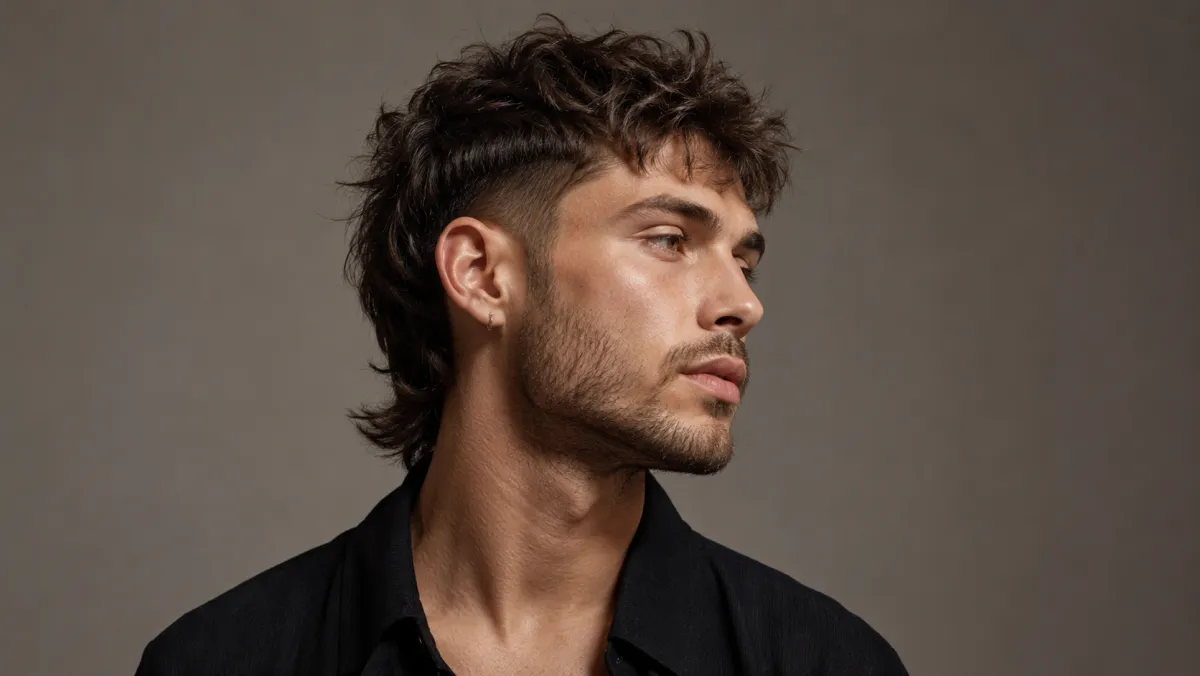
A mullet filter helps you test the front-to-back shape of a modern mullet before you commit to the cut. A hairstyle try-on can show how short sides, a textured crown, and extra length at the nape might frame your face. It cannot tell you how your exact hair texture will sit on a humid morning or how much daily styling you will want.
Last updated: July 13, 2026 - about 6 min read
Quick answer
Preview three things separately: the length around your face, the amount of crown texture, and the nape length. Use the same front-facing photo for every version. Then compare whether you like a subtle modern mullet, a softer shaggy version, or a stronger contrast between the short front and longer back.
The point of a mullet filter is not to make a final salon blueprint. It is to give you a clearer reaction than a photo of somebody else with a very different face and hairline.
Decide which version of the shape you mean
"Mullet" covers more than one cut. Name the shape you want to test before you generate it.
| Variation | Visual cue | Best first question |
|---|---|---|
| Soft modern mullet | Blended sides, light nape length | Do I like the back length at all? |
| Textured mullet | Choppy crown and more separation | Does the crown feel energetic or too busy? |
| Curly mullet | Texture creates width around the head | Where does the widest point land? |
| Strong retro mullet | Clear short-front, long-back contrast | Is the contrast still something I would wear daily? |
Keep the color and face unchanged. A different color can make a new cut feel more dramatic than it really is.
Use a photo that shows the outline
Use a clear image where your hairline, ears or side shape, and some length below the neck are visible. If possible, take a straight-on photo and a separate side photo for your own reference. The front view is useful for face framing in a hairstyle try-on; a stylist will still need to see the profile and density in person.
- Open the mullet filter.
- Start with a soft, medium-length version.
- Test one shorter-front or longer-nape variation.
- Compare the results beside your current hair rather than judging one image in isolation.
Ask for one quiet edit: "modern textured mullet, short blended sides, soft layers at crown, modest length at nape, keep face, hair color, lighting, and background unchanged." The more other changes you add, the less you learn about the cut.
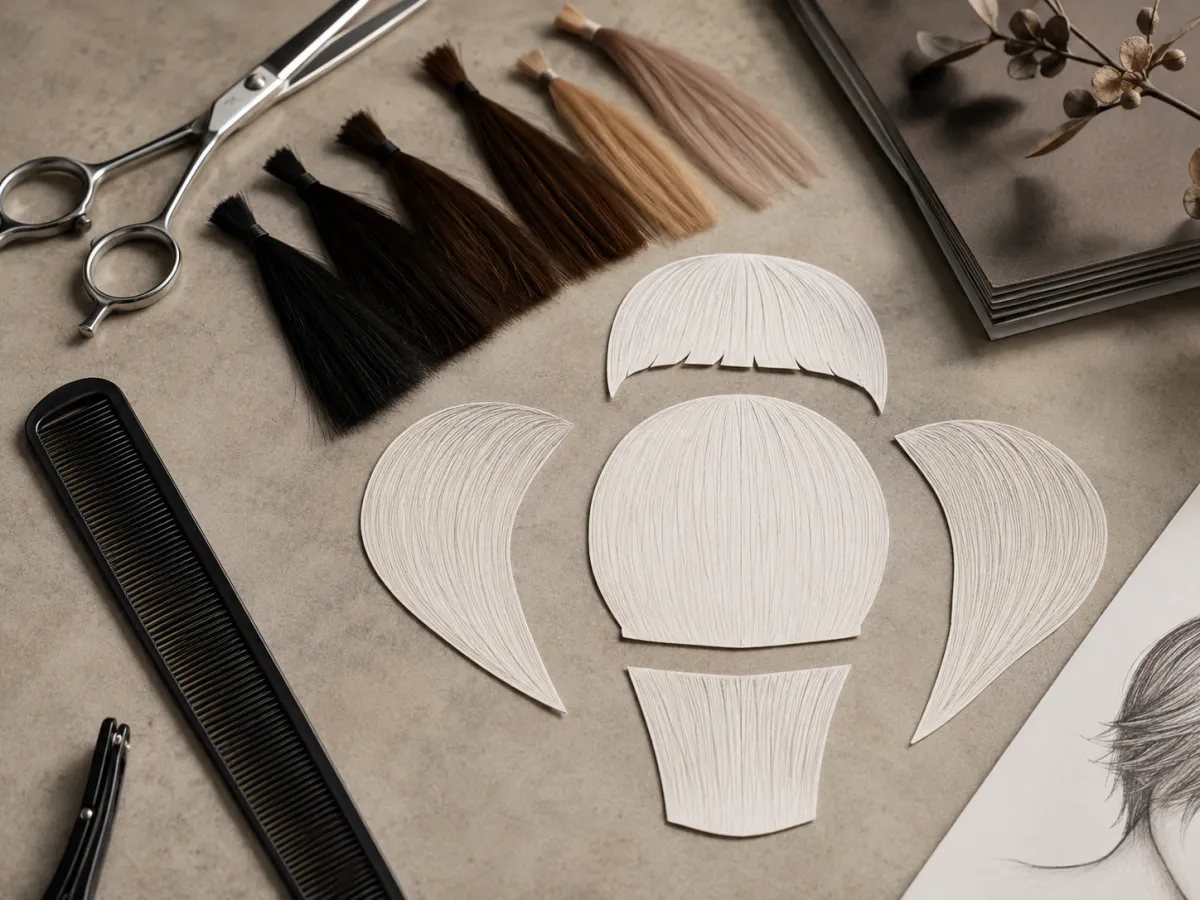
A good preview isolates the shape decisions that a haircut photo often hides.
Compare it with nearby cuts honestly
A wolf cut and a shag can share texture with a mullet, but the back-length contrast is usually different. If you like the crown volume but not the tail, you may prefer a shag. If you like the face framing but want more distinct nape length, the mullet direction may be useful.
Look for:
- The widest point around the temple, cheek, or jaw.
- Whether the fringe opens or closes your face.
- How much length remains behind the ear and at the nape.
- Whether the outline looks intentional at a normal viewing distance.
The wolf cut guide and wolf cut vs shag comparison can help you describe the difference to a stylist.
Bring the preview to the real decision
A filter cannot assess cowlicks, curl shrinkage, density, growth patterns, or maintenance. Save one or two images that show the direction you like, then ask a stylist what needs to change for your own hair. A hairstyle try-on is a conversation starter, not a technical cut plan. Be clear about the amount of nape length and daily styling you are comfortable with.
FAQ
Can a mullet filter show the back of my hair accurately?
It can suggest a front-view silhouette, but a real cut needs a profile and back assessment. Use the preview as a conversation reference, not a technical haircut diagram.
Is a modern mullet the same as a wolf cut?
Not exactly. A wolf cut is usually more layered throughout, while a mullet keeps a clearer difference between the shorter front/sides and longer back.
What should I ask my stylist after using a filter?
Show the amount of crown texture and nape length you like, then ask what is realistic for your texture, density, growth pattern, and maintenance routine.
Related guides
Use a mullet filter to choose the shape you actually want to discuss, then let the haircut be tailored to your real hair.