
Short Hair Checklist Before Cutting Your Hair
Use this short hair checklist before cutting your hair to plan styling, upkeep, grow-out, and a clearer salon conversation about the cut.

Before cutting your hair short, decide four things: the shortest length you can live with, the styling time you will actually give it, the upkeep you can afford, and how you want it to grow out. A short-hair preview with the AI hairstyle changer can help you name the direction you like; a stylist helps translate that direction for your texture, density, hairline, and routine.
Last updated: August 31, 2026 · about 7 min read
This is not another guide to generating a short-hair image. The companion guide, How Would I Look With Short Hair?, helps you compare bobs, pixies, and very short options on your face. This checklist starts after you have a favorite: it helps you decide whether the cut fits ordinary mornings, appointments, and the months after the first cut.
Make the four decisions before the appointment
A short cut can be low effort for one person and high effort for another. “Short” is not enough detail for a useful consultation.
| Decision | What to settle before you book | A clear way to say it |
|---|---|---|
| Length boundary | The shortest point you would be comfortable seeing around the jaw, ears, or neck | “I want it above my shoulders, but not above my jaw.” |
| Daily styling | Whether you will diffuse, use heat, refresh curls, or style only briefly | “I have five minutes most mornings, so I need a shape that works air-dried.” |
| Appointment rhythm | How quickly you are willing to lose the shape and return for a trim | “I want to know what happens if I stretch trims longer.” |
| Grow-out plan | Whether you want a soft transition, a bob next, or room for a fringe to blend away | “I want it to grow toward a lob without a hard line.” |
The useful detail is not a perfect vocabulary word. It is the boundary: what you want to preserve, what you are ready to change, and what would make you regret the cut.
Turn a preview into a short-hair brief
Use a preview as a communication aid, not a promise. Make it specific enough that a stylist can react to it.
- Save an original and two controlled previews. Try a safer length and your favorite shorter version. Keep color, lighting, face, and clothes unchanged so the length is the only variable.
- Circle the detail, not the person. Write down what you like: weight at the jaw, openness around the cheekbones, a soft nape, texture on top, or a longer front. Avoid asking to copy another person’s hair exactly.
- Add the real-life constraint. Include your texture, part, cowlicks, glasses, workout routine, heat use, and time limit. Those facts are often more useful than a third inspiration photo.
A flattering preview can help you express a direction. It cannot tell you whether a precise shape will work with your density, curl pattern, shrinkage, or daily styling habits.
For comparison ideas, browse short hairstyles, then use the bob haircut filter or pixie cut filter only when those are styles you would seriously consider. The point is to reduce ambiguity, not create a pile of conflicting screenshots.
Do one ordinary-day trial before committing
Imagine the cut on a regular Tuesday, not only in a perfectly lit salon photo. Put your current hair into the closest version you can manage: tuck the length away, pin it under, reduce the volume, or wear the part you expect to keep. It will not reproduce a haircut, especially if you have curls or a lot of density, but it can reveal whether you miss having hair at the neck, rely on a ponytail, or want more softness around the face.
Then think through your actual schedule. Do you swim, wear a helmet, work out most mornings, sleep on a curl pattern, or need a style that works with glasses? Are you comfortable learning one quick styling step, or does the cut need to look presentable after a simple wash and dry? There is no superior answer. It is simply better to tell a stylist this before the shape is cut than to discover it during the first rushed week.
You can also preview two lengths instead of one: a safer jaw-to-shoulder version and the shorter one that initially caught your eye. If both feel good, you have options. If you only like the shortest version in a highly styled image, ask the stylist how much daily work creates that result.
Ask the questions that make a short cut livable
Take this list to the consultation. A good answer may change your original plan—and that can be useful.
- How would this shape behave if I air-dry it versus heat-style it?
- Where will the shortest layers sit once my hair shrinks, curls, or separates naturally?
- Which parts need the most frequent trimming to keep the intended shape?
- What should I expect after four, eight, and twelve weeks of grow-out?
- Can we keep one area a little longer for my preferred part, hairline, or glasses?
- Which product or styling step is truly essential, and which is optional?
- If this reference will not translate directly, what adjustment would get closest while respecting my hair?
These are not rules about who “can” wear short hair. They are a way to avoid being surprised by the care and grow-out that comes with any meaningful length change. Hair.com’s short-hair preparation guide similarly recommends a conversation with a stylist before a major chop; use that conversation to ask about your hair rather than a generic face-shape verdict.
Avoid the reference-photo trap
A reference image can be useful, but it comes with invisible variables: texture, density, styling time, extensions, product, and the way the photo was lit. Instead of saying “I want this exact cut,” describe the feature that caught your attention. Perhaps it is the fullness at the crown, a long front piece, the clean neckline, or how the cut leaves room to tuck hair behind an ear.
Show the original photo used for your preview as well as the preview itself. That helps the stylist see what was changed and what was not. Be open when they point out a different proportion or a slightly longer starting length that will work better for your hair. A good adjustment is not a failed reference; it is a plan designed for a person rather than a picture.
If you are making a major jump from long hair, ask the stylist whether a staged approach would make the decision easier. Starting with a lob or softer bob can be a valid choice when you like short hair but want more time to learn the styling and grow-out rhythm.
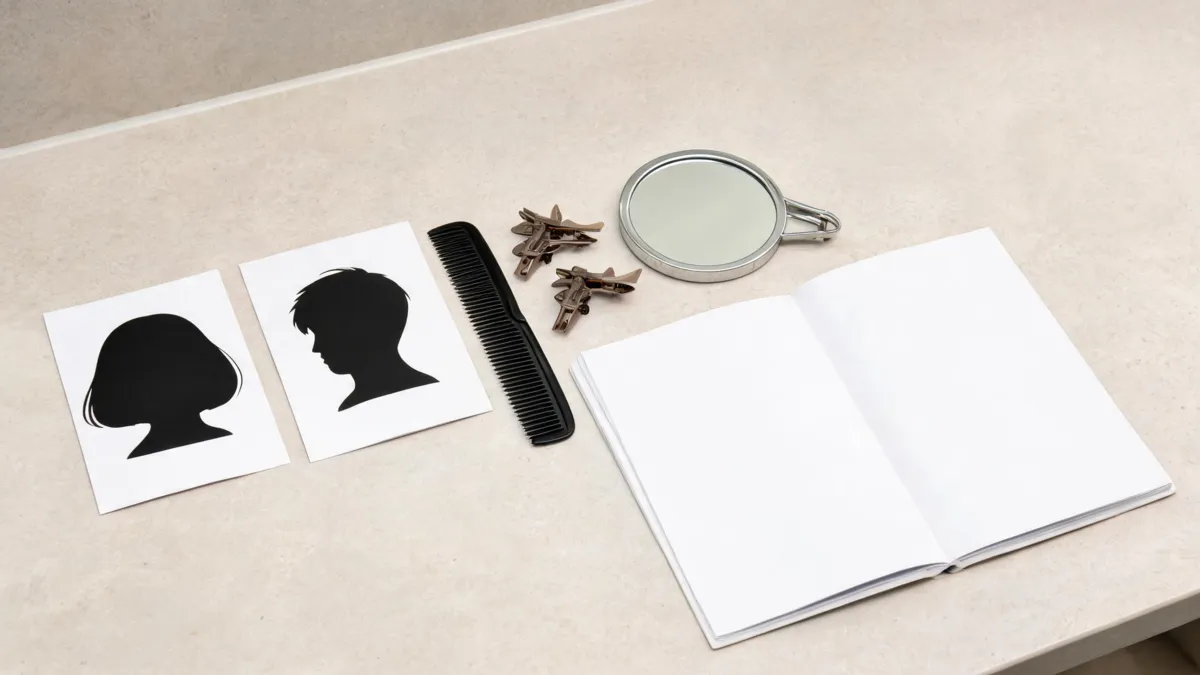
The decision is easier when the visual reference and the routine are planned together.
Watch a short decision-focused video
This video walks through things to think about before cutting your hair short; treat it as one perspective, not a replacement for a professional consultation.
A kind, realistic decision rule
Do not use a short-hair preview to decide whether your face needs fixing. The better question is whether the shape supports how you want to feel and live. If you like the image but not the upkeep it implies, try a longer bob, a less aggressive layer pattern, or keep your current length. If you like both the visual direction and the routine, you have a much clearer appointment brief.
Editorial disclosure: AIChangeHair provides visual planning tools, not hairdressing or medical advice. It cannot assess hair condition, scalp health, allergies, styling skill, or the result of a specific service. A qualified stylist can assess those details in person.
Frequently asked questions
What should I decide before cutting my hair short?
Decide what length range you can live with, how much daily styling and salon upkeep you want, what you need to keep around your face or neck, and how you want the cut to grow out. Bring your original photo plus a small, specific reference set to the consultation.
Should I try short hair in a filter before a haircut?
Yes, if you use the preview to compare a few realistic lengths on the same photo. It is helpful for naming the visual direction you like, but it cannot predict your texture, density, cowlicks, styling routine, or a stylist’s cutting result.
What should I tell my stylist when I want a short haircut?
Say what you want to keep and what you do not want: the shortest acceptable length, fringe or face-framing preference, styling-time limit, texture concerns, and grow-out goal. Ask how the reference should change for your own hair and routine.
Related guides
- Try the free AI hairstyle changer →
- See yourself with short hair
- Bob haircut filter
- Pixie cut filter
- Hair grow-out stages preview
Bring a decision, not just a picture
Use AIChangeHair to make a small, honest short-hair comparison, then bring the original photo, your favorite direction, and your real-life constraints to the salon.