
Purple Hair Before Bleaching: A Salon Feasibility Checklist
Before bleaching for purple hair, take a chosen reference, your color history, condition questions, and a realistic fading plan to a salon consultation.
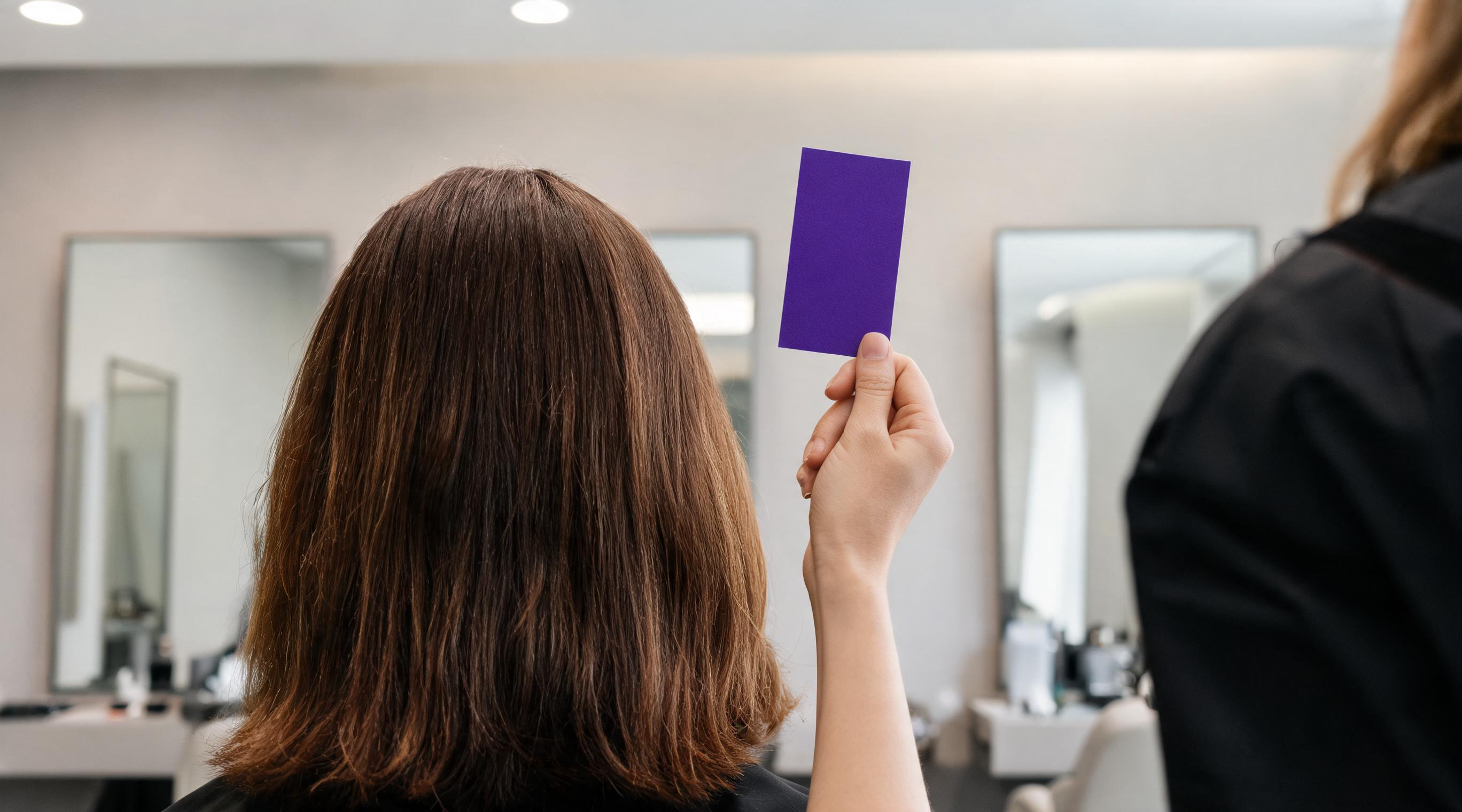
Before bleaching for purple hair, decide on one purple direction, then use a salon consultation to test whether that direction is realistic for your starting base, color history, condition, and maintenance limits. A purple hair filter can help you choose the violet, plum, or lavender look you want; it cannot tell you how far your real hair can safely lift or promise a salon result. Bring the original photo, one selected preview, and an honest history instead of treating the image as a recipe.
Last updated: September 30, 2026 · about 9 min read
This is a companion to Purple Hair Filter: Preview Fantasy Hair Colors Safely. That guide helps you compare lavender, amethyst, deep violet, and plum on one photograph. This one starts after you have chosen a direction. It is a feasibility checklist for the salon conversation before bleach—not another shade-ranking exercise and not at-home chemical instructions.
Start with a choice the salon can evaluate
“Purple” is not enough information for a useful consultation. A dark plum, a saturated violet, and a pale lavender can ask very different things of the starting hair. You do not need to diagnose your own base level or predict chemistry. Your job is to make the visual goal clear and give the person doing the service a complete history.
Make one controlled preview first. Use the same portrait for every variation and change the hair color only. The AI hair color changer is useful for this small comparison because you can save a direction before any permanent decision. Once you have a winner, do not arrive with ten conflicting screenshots. Bring one preferred image and, if helpful, one image showing a version you definitely do not want.
| Bring to the consultation | Why it helps | What it cannot answer |
|---|---|---|
| One chosen purple preview | Shows the tone, depth, and placement you reacted to | The process, timing, or exact dye formula |
| An unedited recent photo | Shows your present length and overall starting appearance | Hidden color history or hair strength |
| A written treatment history | Gives the stylist facts to investigate | A guarantee that prior color will lift evenly |
| Your maintenance limit | Frames a realistic plan for fading and refreshes | A promise that color will fade in one exact way |
A preview is evidence of preference, not evidence of feasibility. It becomes useful when you can say, “I like this deep violet,” and “I would rather choose a darker option than push for a pale result at any cost.”
Make a complete hair-history note before the appointment
The most useful information is usually the least glamorous: what has been put on your hair and when. Do not try to translate it into technical labels. List what you remember and take photos of boxes or salon invoices if you have them. “I am not sure” is better than leaving something out.
| History item | Write down | Why the salon may ask |
|---|---|---|
| Permanent or box color | Brand if known, shade, and approximate date | Existing pigment can change a color plan |
| Bleach, highlights, or lightener | Where it was placed and the last time it was done | Different sections can behave differently |
| Toner, gloss, or direct dye | Color family and date | Old color can affect how a purple direction reads |
| Henna or unknown dye | Any use, even if it was a long time ago | The stylist needs the full picture before proceeding |
| Chemical services | Relaxing, perming, smoothing, or major treatments | Condition and service timing matter to a professional assessment |
| Current concerns | Breakage, unusual shedding, scalp irritation, or sensitivity | These may change whether a service should proceed |
For a dramatic move, include the ordinary parts of your routine too: heat styling, swimming, frequent washing, and how often you are willing to return. This is not about passing a test. It gives the stylist the context to say whether a staged approach, a deeper purple, a partial placement, or postponing the service makes more sense.
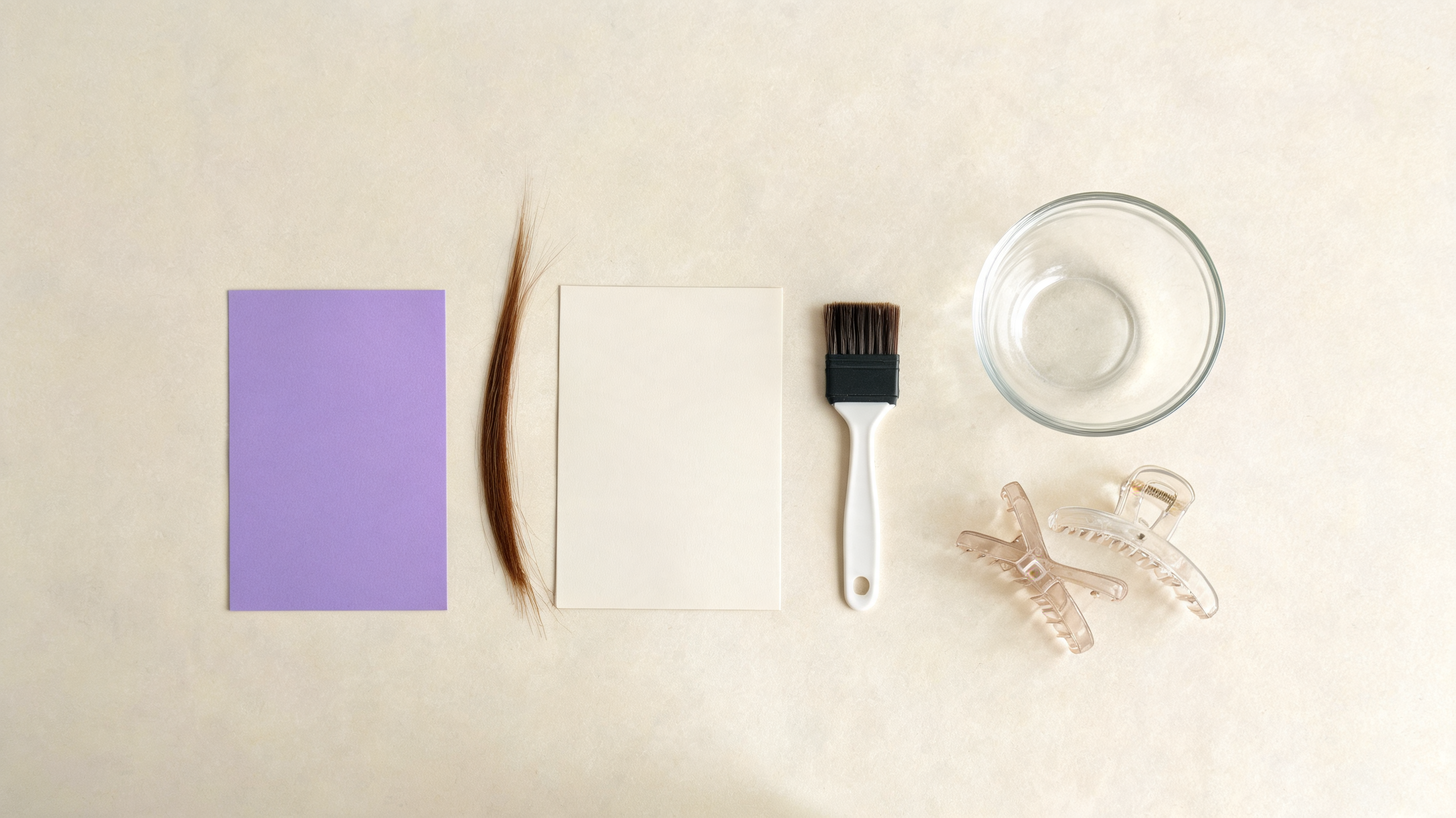
A useful purple-hair consultation starts with a clear visual preference and honest history—not a demand to copy a generated image exactly.
Ask feasibility questions, not for a guaranteed number of sessions
Internet advice often turns a complex color correction into a fixed promise: a certain number of sessions, a single strength of product, or a date by which everyone can reach lavender. That is not a reliable plan for an individual head of hair. Instead, ask questions that let the stylist explain their assessment and alternatives.
- “Given my current hair and history, what purple direction is realistic today?” Ask the stylist to distinguish a finished-photo goal from a responsible first appointment.
- “What are the conservative alternatives if the lightest version is not appropriate?” Deep violet, plum, a darker root, face-framing placement, or a future staged plan can still answer the style question.
- “Would a small test section change the plan?” A strand test is a professional observation, not a guarantee, but it may help explain how a section responds before a broader service.
- “What should I expect to maintain, and what would make you stop or change course?” Listen for practical limits, not only the most exciting outcome.
- “What should I do if I have scalp irritation, a previous reaction, or a change in my hair condition before the appointment?” Ask before any chemical service starts.
The result you want is a shared decision: one visual goal, one realistic route, and permission to revise the route if the hair does not support the first plan. An honest “not today” is more useful than an overconfident promise.
Keep hair safety separate from the color inspiration
The U.S. Food and Drug Administration says to follow hair-dye label directions and perform the product-directed skin test before every use; it also notes that a skin test cannot eliminate the possibility of a reaction. The FDA advises against using dye on an irritated, sunburned, or damaged scalp and says to keep dye away from eyes, eyebrows, and eyelashes. Read the FDA hair-dye guidance and the specific product instructions rather than substituting a social-media routine.
The NHS guidance on hair-dye reactions similarly advises following the packet, observing a 48-hour strand test where the product directs it, and stopping use if you feel unwell or react. If you have had a reaction before, have a black-henna tattoo history, or develop symptoms, that is not a detail to hide in a color consultation. Seek appropriate medical advice for symptoms; this article is not medical guidance.
| Situation | A cautious next step |
|---|---|
| You have chosen a purple but do not know your color history | Say so plainly and ask the salon what they can assess first |
| You have prior bleach or multiple colors | Bring dates and photos; ask whether a test section or staged approach is appropriate |
| Your scalp is irritated, sunburned, or damaged | Do not treat a preview as permission to dye; follow product guidance and seek professional advice as needed |
| You have reacted to dye or had a black-henna tattoo | Tell the professional and review product and medical guidance before proceeding |
| You only like very pale lavender in a generated image | Ask about a deeper purple or future plan instead of demanding the lightest result immediately |
Plan for fading before you commit to the first purple
Vivid color is a decision that continues after the appointment. You do not need an exact fade forecast to make a sensible plan. You do need to decide what you will do when the first ideal tone changes: refresh it, transition darker, let it fade, or return to a natural-looking shade.
Ask the salon to describe the specific maintenance they recommend for your plan, including wash routine, heat, booking cadence, and what photographs to take if the color changes unexpectedly. Keep the words “can,” “may,” and “depends” in the conversation. The same purple can look different under daylight and indoor light, and real-world history makes fixed promises unreliable.
For the visual part of that decision, save your original portrait and one preferred preview from the purple hair filter. If the full-color result feels like too much, try a darker purple direction in the same image rather than assuming the only alternative is abandoning the idea. The goal is not to make a preview more dramatic; it is to arrive at a direction you can explain and maintain.
Editorial disclosure: AIChangeHair creates visual hair previews. It does not assess hair strength, scalp health, allergies, chemical compatibility, or the safety and outcome of bleaching or dyeing. Consult a qualified professional for an in-person assessment, follow product instructions, and seek medical care for a suspected reaction.
Frequently asked questions
Do I need to bleach my hair before going purple?
It depends on the purple you want, your current base, any existing color, and your hair condition. A photo preview can show the destination, but a stylist needs to assess the real hair before saying how much lifting is appropriate or whether a darker purple route is more realistic.
What should I bring to a purple-hair consultation?
Bring one chosen purple reference or preview, a recent photo of your current hair in daylight, and an honest color history: permanent color, bleach, toner, henna, straightening, perming, or other treatments, plus when each happened. Also say how much maintenance and fading you can accept.
Should I do a patch test before using purple hair dye?
Follow the product's instructions. The FDA says hair-dye labels should provide directions for a skin test, and it advises doing the test before every use; a skin test does not guarantee that no reaction will occur. Do not use dye on an irritated, sunburned, or damaged scalp.
Can a strand test tell me whether my hair is ready for bleach?
A salon strand test can help a professional observe how a small section responds under the chosen process, but it is not a universal pass or a guarantee for the whole head. Ask what the test does and does not answer for your particular color history and condition.
Related guides
- Try the purple hair filter →
- Compare hair colors on your own photo
- Purple Hair Filter: preview the shade before the salon conversation
- Hair dye simulator: compare a direction before you book
Take a clear brief to the salon
Choose the purple direction before the appointment, then let the in-person assessment set the route. Save one controlled preview in the purple hair filter, write down your treatment history and maintenance limits, and ask the salon what is realistic for your hair now—not what a perfect image seems to promise.